For parents & caregivers

You are already doing most of this.

Reading does not start with worksheets. It starts with rhyming in the car, naming the letters on the cereal box, and letting your child hold the book. Here is what matters most, in plain language, with nothing to buy.
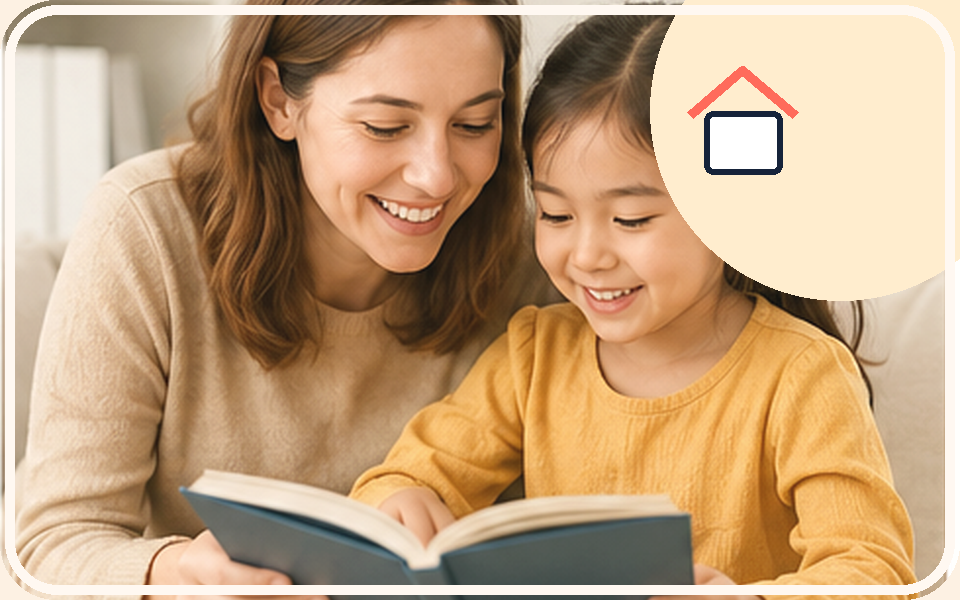

A family at home with a parent and two young children
Our Vocabulary App

The “Bridging the Word Gap” Thematic Vocabulary Application

This vocabulary learning application is intended to help preschool and pre-kindergarten students build their vocabulary and background knowledge through a series of ten themes: 1) Me and My Body; 2) My School; 3) My Family, Friends and Pets; 4) Food; 5) Animals; 6) Insects; 7) Plants; 8) Clothes; 9) Community Helpers; 10) Transportation. Parents can complete one theme per month in their preferred language (English, Spanish, or Amharic) during each month of the school year.

The app is free on the App Store and Google Play. On your phone or tablet, tap a badge below; on a computer, scan a code with your phone’s camera.

Download on the App StoreGet it on Google Play
Read Together At Home

Storybooks with the lesson built in.

We’ve developed lesson plans for a series of stories from Storyweaver, with both the lesson plan and story available in English and Spanish. Click on the story link and then use the lesson as a guide for how to introduce the book, have a conversation about the book, ask questions, or plan follow-up activities.

In English & Spanish

More on the way — we’re expanding the library of lessons to include 3rd to 6th grade.

Pre-K to 1st Grade
Story Lesson Plans

Vocabulary to introduce, questions to ask, and activities to try after every story.

ENESstories in both languages
2nd to 3rd Grade
Story Lesson Plans

The same guided format for developing readers — introduce, discuss, question, extend.

ENESstories in both languages
Start Here

One handbook, two languages.

Available in English and Spanish, this handbook provides some general recommendations for things to do at home to build language and literacy skills with young students.

Free PDF downloads — keep a copy on your phone.

EN
Parent Handbook
Language & literacy at home
Download — English
ES
Manual para Padres
Lenguaje y lectoescritura en casa
Descargar — Español
The short version

Five minutes a day beats an hour on Saturday

Young children learn language in small, frequent, playful bursts. Two or three minutes of sound games, repeated most days, does more than one long sitting ever will — and it holds their attention far better.

Do this
  • Read the same favorite book again, and again, and again
  • Run your finger under the words as you read
  • Sing songs that rhyme and pause before the rhyming word
  • Use the interesting word, then explain what it means
  • Keep speaking your home language — it makes English easier, not harder
Don't worry about
  • Whether your child can sound out words yet — that comes in kindergarten
  • Getting through a whole book without interruptions
  • Perfect letter formation, or holding a pencil correctly
  • Flashcards or anything you have to pay for
  • Being a good reader yourself — talking counts just as much
Four practices

What to try at home

Every practice page has a “Try this at home” section written for families, plus the full detail if you want to go deeper.

Watch and copy

Videos for families

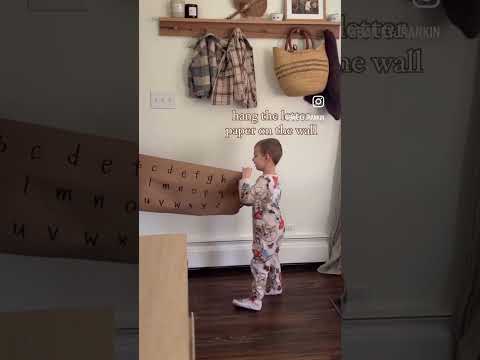
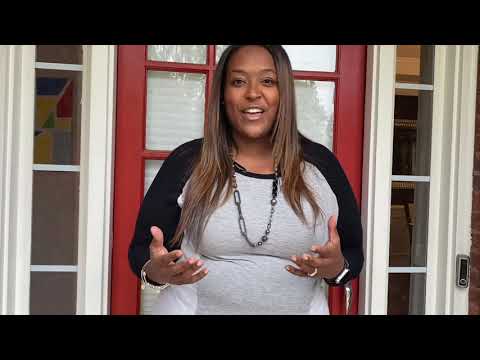
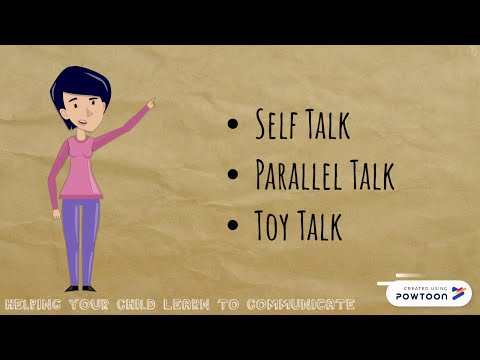
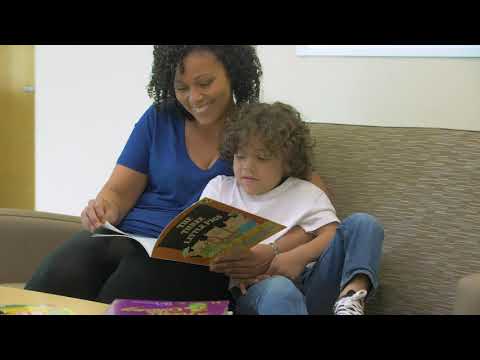
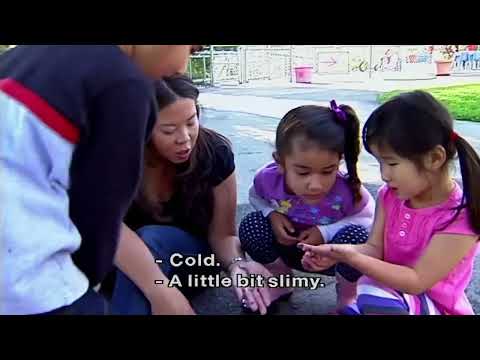
Short clips of real parents and teachers. Watch one, then try it tonight.

See all 53 videos →

Talk to your child's teacher

If something here is hard for your child — hearing rhymes, naming letters, following a story — that is useful information, not a verdict. Tell their teacher what you are noticing. Pre-K is exactly the right time to catch it.

See the teacher view →
© Educational Solutions for Children · Ending achievement gaps for at-risk children
Developed with Bridges PCS and Capital City PCS under the Comprehensive Literacy State Development grant
Developed by CIRRUS Information Technology Resources LLC